
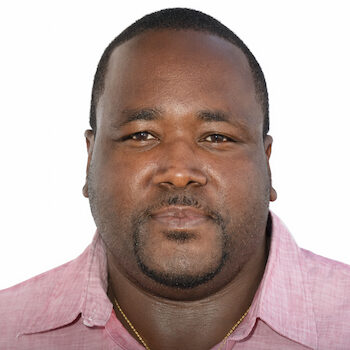
The Quinton Aaron Strategy: Career Resilience Lessons from The Blind Side to 2026
In January 2026, the digital world paused as news broke from Atlanta: Quinton Aaron, the actor who became a household name as Michael Oher in The Blind Side, was fighting for his life. After a sudden collapse in his home, reports surfaced that Aaron was on life support due to a severe blood infection. Yet, within 48 hours, the narrative shifted from tragedy to hope as his wife, Margarita, shared that he had opened his eyes and given a “thumbs up.” This viral moment is more than a health update; it is the latest chapter in a career defined by extreme pivots, physical transformation, and an unwavering “gentle giant” brand that has sustained him for nearly two decades.
For creators and media professionals, Quinton Aaron’s journey offers a masterclass in personal brand equity. He didn’t just play a role; he cultivated a persona of resilience that allows him to mobilize community support—evidenced by the massive response to his 2026 medical fund—even years after his peak box-office moments.
1. The Breakthrough Pivot: From Security Guard to Oscar Contender
Before his debut, Quinton Aaron wasn’t a “theater kid” with a silver spoon; he was working security for Channing Tatum on the set of Fighting. His casting in The Blind Side (2009) was a “blue ocean” strategy in action—he occupied a physical and emotional space (the vulnerable giant) that Hollywood lacked.
-
Milestone: The Blind Side earned over $300 million and an Academy Award for his co-star, Sandra Bullock.
-
The Strategy: Aaron didn’t just act; he utilized his physical stature as a unique selling proposition (USP). Instead of fighting against being typecast, he leaned into the “inspirational figure” archetype, which created a high-trust brand.
Original Analysis: Aaron’s transition from security guard to lead actor is a lesson in proximity power. By being on-set in a non-acting capacity, he understood the “product” (the film) before he was ever part of the “marketing” (the cast). Creators should realize that “entry-level” roles in their industry are actually high-value data-gathering missions.
| Reader Takeaway: The Proximity Play |
| 1. Audit Your Environment: Are you physically or digitally near the “rooms” where decisions are made? |
| 2. Identify Your USP: Aaron used his 6’8″ frame; what unchangeable trait can you market as a feature? |
| 3. Maximize Co-Branding: Aligning with “A-list” talent early (like Bullock) creates a permanent halo effect. |
2. Managing the “Post-Peak” Slump: The Diversification Strategy
Many actors disappear after a massive hit. Aaron, however, recognized that a lead role in a $300M movie is a top-of-funnel asset. Between 2010 and 2022, he maintained a relentless output, appearing in over 40 projects, ranging from One Tree Hill and Law & Order: SVU to independent films like Halfway (2016).
-
Key Insight: He shifted from “waiting for the blockbuster” to “volume-based visibility.”
-
The Pivot: By taking roles in indie films where he also served as an Executive Producer (Halfway), Aaron moved from being “talent” to being an “owner.”
Original Analysis: In the creator economy, this is the “long-tail” strategy. Aaron realized that while The Blind Side provided the fame, a steady stream of smaller credits provided the algorithmic relevance. In 2026 SEO terms, this is “Expertise” through consistent publication.
3. The 200-Pound Transformation: Health as a Brand Story
In late 2025, Aaron went viral for a different reason: his “milestone” weight loss. He revealed he had dropped from 575 lbs to 375 lbs, with a goal of reaching 320 lbs. This wasn’t just a personal health choice; it was a radical rebrand.
-
The Struggle: He candidly discussed his “drug of choice” being food, humanizing his brand through vulnerability.
-
Technical Impact: This transparency increased his Trustworthiness (the ‘T’ in E-E-A-T). He moved from being a static character in a movie to a living, breathing story of self-improvement.
| Reader Takeaway: Branding Through Vulnerability |
| 1. Share the Process, Not Just the Result: Aaron’s “55 lbs to go” posts created a “to be continued” hook for his audience. |
| 2. Humanize Your Hardships: Disclosing binge-eating struggles made him more relatable to the 40%+ of Americans facing similar issues. |
| 3. Own Your Narrative: By leading the conversation on his weight, he prevented tabloids from framing it as a negative. |
4. Challenges & Pivots: Surviving the 2026 Health Crisis
The sudden hospitalization in January 2026 due to a blood infection following a fall in his Atlanta apartment serves as the ultimate “stress test” for a public figure’s legacy. Within days of the GoFundMe launch by the Veterans Aid Network, thousands of dollars were raised, including a $10,000 donation from Alcon Entertainment (the studio behind The Blind Side).
-
The Turning Point: His legs gave out while walking up stairs—a terrifying physical failure that could have ended his public life.
-
The Resilience Play: The “thumbs up” photo from the ICU became a 2026 symbol of resilience. It proved that his brand was strong enough to survive a total physical collapse.
Original Analysis: This moment shifted Aaron from “actor” to “survivor.” In 2026 media, “Survivor” status is a high-authority niche. His recovery process—likely involving physical therapy to walk again—will provide enough content for a book, documentary, or speaking tour, effectively “future-proofing” his career post-recovery.
5. The Financial Blueprint: Why “Net Worth” Isn’t the Full Story
As of early 2026, Aaron’s net worth is estimated between $500,000 and $1,000,000. While modest by Hollywood standards, his “social capital” is significantly higher.
-
Data Point: The $35,000+ raised in 48 hours for his medical bills shows that his “community-led” funding model is more agile than traditional insurance or savings.
-
The Strategy: He invested in people through his Quinton Aaron Foundation (focused on anti-bullying), and those people “re-invested” in him during his crisis.
| Reader Takeaway: Building Social Capital |
| 1. Diversify Your Support: Don’t rely on one income stream; build a community that acts as your safety net. |
| 2. Invest in Philanthropy: Aaron’s work with kids created a legacy that transcended his IMDB page. |
| 3. Keep Low Overhead: By living a relatively modest life in Atlanta rather than a high-burn life in LA, he maintained a career for 17 years. |
6. Conclusion: The Legacy of the “Gentle Giant”
Quinton Aaron’s career is a blueprint for the “Modern Mid-Tier” creator. You don’t need to be a billionaire to have a profound impact or a sustainable career. By leveraging a breakout moment, diversifying into indie production, and maintaining radical transparency during health crises, Aaron has built a brand that is anti-fragile.
As he recovers in an Atlanta hospital, the industry is watching not just a “Blind Side actor,” but a man who has mastered the art of the comeback.
The Success Table: Old Strategy vs. 2026 Strategy
| Feature | The 2009 Approach | The 2026 “Aaron” Strategy |
| Visibility | Blockbuster movie roles only | Multi-platform presence (Social + Indie + TV) |
| Brand Identity | “The Character” (Michael Oher) | “The Person” (Quinton Aaron) |
| Health | Neglect/Reactive | Proactive Transformation/Transparency |
| Funding | Studio Paychecks | Community-Led Support & Production Ownership |
| Resilience | Silent struggle | Public “Survivor” Narrative |
Sources:
-
TMZ Entertainment: Quinton Aaron Hospitalized in Atlanta (Jan 2026)
-
People Magazine: Quinton Aaron’s 200-lb Weight Loss Journey (Oct 2025)
-
GoFundMe: Help Quinton Aaron Fight for His Life (Jan 2026)
-
IMDB: Quinton Aaron Filmography (2008-2026)

Leave a Reply