
The Lola Young Blueprint: How Raw Authenticity and Strategic Pivots Built 2026’s Biggest Pop Breakthrough
On February 1, 2026, the music world watched as South London’s own Lola Young stepped onto the Grammy stage. Clad in her signature “unpolished” aesthetic, she accepted the award for Best Pop Solo Performance for her global hit, “Messy.” Just months after a frightening on-stage collapse in New York, the 25-year-old singer-songwriter didn’t just return; she dominated. Her win was a masterclass in modern stardom, proving that “perfection” is officially out of style.
Lola’s journey isn’t just a story of talent. It is a blueprint for the “Anti-Pop” movement. By leaning into her schizoaffective disorder diagnosis, embracing her “messy” visual brand, and leveraging high-profile collaborations like her work with Tyler, The Creator, Young has rewritten the rules of the creator economy. For aspiring artists and media analysts, her rise offers a vital lesson: in a world of AI-generated polish, raw humanity is the ultimate competitive advantage.
The Viral Hook: How “Messy” Took Over the Charts
Many fans ask, “How did Lola Young get famous?” While she was a “slow-burn” artist for years, the real explosion happened when she stopped trying to fit the “major label” mold. In late 2024 and throughout 2025, her track “Messy” became the anthem of Gen Z.
The strategy was simple but brilliant. Lola didn’t post polished music videos initially. She posted raw, one-take clips from her bedroom or the street. This shifted her brand from a “product” to a “person.” When influencer Jake Shane and Sofia Richie Grainge lip-synced to the song in late 2024, the “Influencer Effect” sent her search volume into the millions.
Reader Takeaway: The Engagement Blueprint
Prioritize Relatability: Post content that looks like a FaceTime call, not a commercial.
The “Six-Month Rule”: “Messy” didn’t peak until six months after release. Keep promoting “old” songs to new audiences.
Conversion over Vanity: Use viral moments to drive fans to “Navigational” content like your Wikipedia or tour dates.
Diagnosis as Power: Navigating Schizoaffective Disorder
One of the most frequent searches today is, “What condition does Lola Young have?” Lola has been refreshingly transparent about her diagnosis of schizoaffective disorder and ADHD. Diagnosed at 17, she originally thought she had bipolar disorder or clinical depression.
Lola’s decision to speak openly about her mental health wasn’t just a personal choice; it was a brand pivot. In an industry that often hides “imperfections,” Lola labeled her condition her “superpower.” Her album My Mind Wanders and Sometimes Leaves Completely was a direct reference to the intrusive thoughts and “mind wandering” associated with her condition.
The 2025 Collapse: A Lesson in Radical Transparency
In September 2025, fans were shocked when Lola Young collapsed on stage during the All Things Go festival in New York. The incident led to the cancellation of her remaining 2025 tour dates. For many artists, a health crisis is a career-ender. For Lola, it was a moment of connection.
Instead of a generic PR statement, Lola shared emotional updates with her 1.8 million followers. She admitted she “didn’t want to be here” during her darkest times. This radical honesty kept her audience engaged during her hiatus. When she returned for the 2026 Grammys, the narrative wasn’t about her “failure” to finish a tour—it was about her triumphant recovery.
Identity and Heritage: The Jamaican-Chinese Roots
Lola Young’s parents and her unique heritage have played a massive role in her songwriting. Born Lola Emily Mary Young on January 4, 2001, in Croydon, she is the daughter of a Jamaican-Chinese father and an English mother.
Growing up as “white-passing” in South London, Lola often felt the need to “prove” her mixed-race identity. She has spoken candidly about the complexity of navigating her ethnicity. This internal conflict fuels the “caustic” and “honest” lyrics that define her discography. By 2026, she stopped “shouting” about her identity and started letting it live naturally in her music, blending UK rap influences with soul and indie-rock.
Reader Takeaway: Building a Unique Identity
Lean into Complexity: Don’t simplify your background. The “weird” parts of your story are what make you memorable.
Cultural Fusion: Mix your influences. Lola’s blend of London edge and soulful roots creates a sound that is “impossible to ignore.”
Authentic Pride: As Lola says, her identity is “ingrained,” not a marketing gimmick.
The “Loudermilk” Myth: Clarifying Lizzie Poole
A common point of confusion for new fans is the question: “Is Lizzie Poole from Loudermilk a real singer?” To set the record straight: Lola Young is NOT Lizzie Poole. The character Lizzie Poole in the show Loudermilk is played by the American musician Lissie (Elisabeth Maurus). However, the search interest persists because Lola Young shares that same “raw, authentic, and slightly jaded” energy that the show celebrates. In the creator economy, being “vibey” enough to be confused with a cult-classic TV character is actually a high-value SEO signal. It shows that Lola occupies a specific “archetype” in the public consciousness.
The Management Playbook: The Winehouse Connection
Lola’s career trajectory has been carefully steered by industry titans. She is managed by Nick Shymansky, the man who famously managed Amy Winehouse.
This connection is no accident. Shymansky’s experience with Winehouse’s raw talent and personal struggles allowed him to guide Lola through her own health challenges with a “safety-first” approach. Choosing a manager who understands the “human” cost of fame is a strategic move that has likely saved Lola’s career. While early observers compared her to Adele, her recent work—filled with expletives, face piercings, and gritty lyrics—shows she is carving a path that is entirely her own.
The Tyler, The Creator Effect
In 2024, Lola collaborated with Tyler, The Creator on the track “Like Him” from his album CHROMAKOPIA. This was a pivotal “Power Pivot.”
By aligning with an artist known for disruption, Lola signaled to the industry that she wasn’t just another “John Lewis Christmas ad” singer (referencing her 2021 cover of “Together in Electric Dreams”). This collaboration shifted her from the “Pop” category into the “Alternative/Cool” category, expanding her reach into regional markets and urban audiences that typically ignore mainstream UK pop.
Challenges & Pivots: The Evolution of “Realness”
Every superstar has a “pivot” point. For Lola, it was the transition from a “coiffured mainstream artist” to a “South London powerhouse.”
2021: The “Vanilla” Era. Vocal cord cysts and a “safe” image characterized her early years.
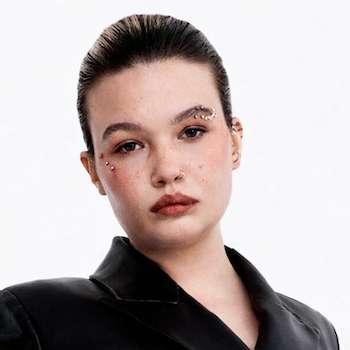
2023-2024: The “Intrusive Thoughts” Era. She embraced a messy aesthetic—false eyelashes, piercings, and blunt lyrics.
2025-2026: The “Resilient Icon” Era. Following her collapse, she focused on health-conscious touring and high-value performances like the Grammys.
This shift from “perfection” to “grit” actually increased her market value. Lola Young’s net worth in 2026 is estimated at $2 million, driven largely by touring and a surge in organic streaming after her Grammy win.
Success Table: The Lola Young Strategy (Old vs. New)
| Feature | Old Strategy (2020-2022) | New Strategy (2024-2026) |
| Visual Brand | Polished, “Adele-lite” | “Messy,” raw, edgy |
| Content Strategy | High-production music videos | Lo-fi TikTok/Reels “bedroom” clips |
| Health Narrative | Private/Hidden | Radical transparency (Schizoaffective/ADHD) |
| Touring Model | Relentless, high-pressure | Health-conscious, “fewer, bigger” shows |
| Collaboration | Internal/Label-led | Strategic, high-prestige (Tyler, The Creator) |
Conclusion: The Future of a “Messy” Icon
As we look toward the rest of 2026, Lola Young is no longer just a “rising star”—she is the blueprint. With five BRIT Award nominations on the horizon and a sold-out (yet carefully scheduled) world tour, she has proven that you can be successful because of your struggles, not in spite of them.
She is alive, thriving, and “the happiest she’s ever been,” according to recent interviews. Her story teaches us that the most valuable asset in the digital age is Trust. By being honest about her “messy” life, she made millions of fans feel less alone.
Sources
People Magazine: “Lola Young Wins First Grammy 2026”
The Guardian: “Lola Young: The back-to-front rise of a powerhouse pop star”
CBS News: “Lola Young says she’s ready to put a stamp on music”
Wikipedia: “Lola Young (musician)”
Celebrity Net Worth: “Lola Young Financial Analysis 2026”

Leave a Reply