
Abandoned Cats in Plastic Boxes: The Birmingham Alley Discovery That Sparked a Race Against Time
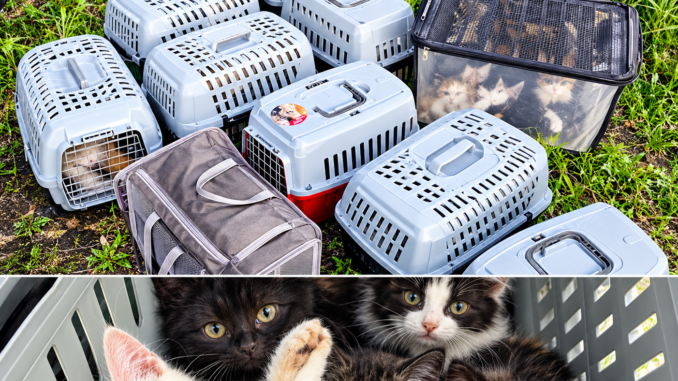
A quiet walk on a Wednesday afternoon in Birmingham turned into something no one should ever see. Between a bakery and a shop on Hawthorn Road, a man noticed boxes piled beside fly-tipped rubbish in an alley. He looked closer. Inside some of the sealed plastic boxes and carriers were 26 cats and kittens—many listless, struggling for air, and desperately underweight.
He did not walk away. He opened what he could, moved most of the animals into safer carriers, and called for help. That single decision likely saved their lives.
A Distressing Scene on a Busy Street
The discovery happened around 1 p.m. on 30 September. Animal Rescue Officer Paul Nijjar of the RSPCA later described it as clearly distressing. “Twenty-six cats and kittens, with some shut in sealed plastic boxes,” he said.
The finder reported that many appeared lethargic and were struggling to breathe inside the containers. All of them carried a heavy flea burden.
Sealed plastic offers little fresh air and traps heat. On a mild autumn day in the middle of a busy street, the conditions inside those boxes would have grown dangerous fast. The fact that a passer-by stopped, acted, and stayed until help arrived made the difference between a tragedy and a rescue.
From Alley to Care: The Road to Recovery
Two of the cats needed urgent hospital treatment. Four-week-old Mauve and one-year-old Mr Gold arrived at Birmingham Animal Hospital with heavy flea infestations, anaemia, and dehydration. Staff also monitored them for cat flu. Both have been improving.
The remaining 24 cats and kittens went into RSPCA care. They are recovering and will be offered for rehoming once they are ready.
Their names and stories will unfold as they gain strength. For now, they have food, medicine, warmth, and people who refuse to treat them as disposable.
Why Abandonment Still Happens—and What Can Change It
Cases like this are not isolated. Birmingham and other cities have seen rising numbers of multi-cat dumps and abandoned litters. Cost-of-living pressures, unexpected litters, and the sheer volume of unneutered cats all play a part. y
The RSPCA has noted the cruelty of sealing animals into boxes and leaving them. Yet officers also stress that people who feel overwhelmed do not have to reach this point.
Help exists. The charity runs a cost-of-living hub with practical advice for anyone struggling to keep pets. Neutering from four months of age remains one of the most effective ways to stop the cycle of unwanted litters. Local rescues and the RSPCA itself can often step in before animals end up in an alley.
The finder on Hawthorn Road showed what ordinary people can do in the moment. Stopping, assessing the risk, moving animals to safer containers, and calling professionals is exactly the right sequence.
CCTV in the area is under review. Anyone with information is asked to contact the RSPCA appeals line on 0300 123 8018 and quote incident number 01915832.
Small Acts, Real Impact
Twenty-six lives were at stake that afternoon. One person noticed the boxes. One call brought trained help. Two of the sickest cats are already turning a corner. The rest wait for the day they can leave the shelter for permanent homes.
Stories like this remind us that cats sealed in plastic boxes are not statistics. They are individual animals who felt fear, hunger, and the lack of air. They also show that compassion still works—when someone chooses to look closer and act.
If you find animals in distress, keep yourself safe, open sealed containers carefully if it is safe to do so, provide temporary shelter if possible, and contact the RSPCA or local emergency services straight away.
And if you or someone you know is struggling to care for pets, reach out early. Support is available long before an alley becomes the only option.
Sources
BBC News; Birmingham Live; Express & Star; Companion Life; The Dodo; RSPCA statements reported across multiple outlets.


Leave a Reply